

Foam vs 3D Printed Packout Inserts: Which Is Better for Tool Organization?

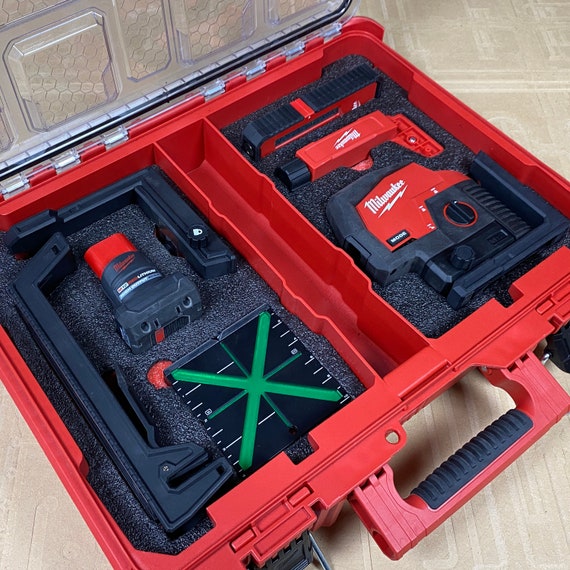
When organizing tools inside a Milwaukee Packout system, one of the most common questions people ask is whether they should use foam inserts or custom 3D printed inserts.
Both options help keep tools secure, but they function very differently. Depending on your workflow, one option may be significantly better than the other.
In this guide, we’ll break down the key differences between foam inserts and 3D printed Packout inserts, including durability, organization efficiency, and long-term performance.
Why Tool Inserts Matter for Packout Organization
The Milwaukee Packout system is designed to be modular and customizable. However, when tools are placed loosely inside a box, they often slide around during transport.
This can lead to:
- Tools colliding and becoming damaged
- Wasted storage space
- Disorganized toolboxes
- Time wasted searching for tools
Tool inserts help solve these problems by creating dedicated storage spaces for each tool and accessory.
Foam Inserts for Packout Systems
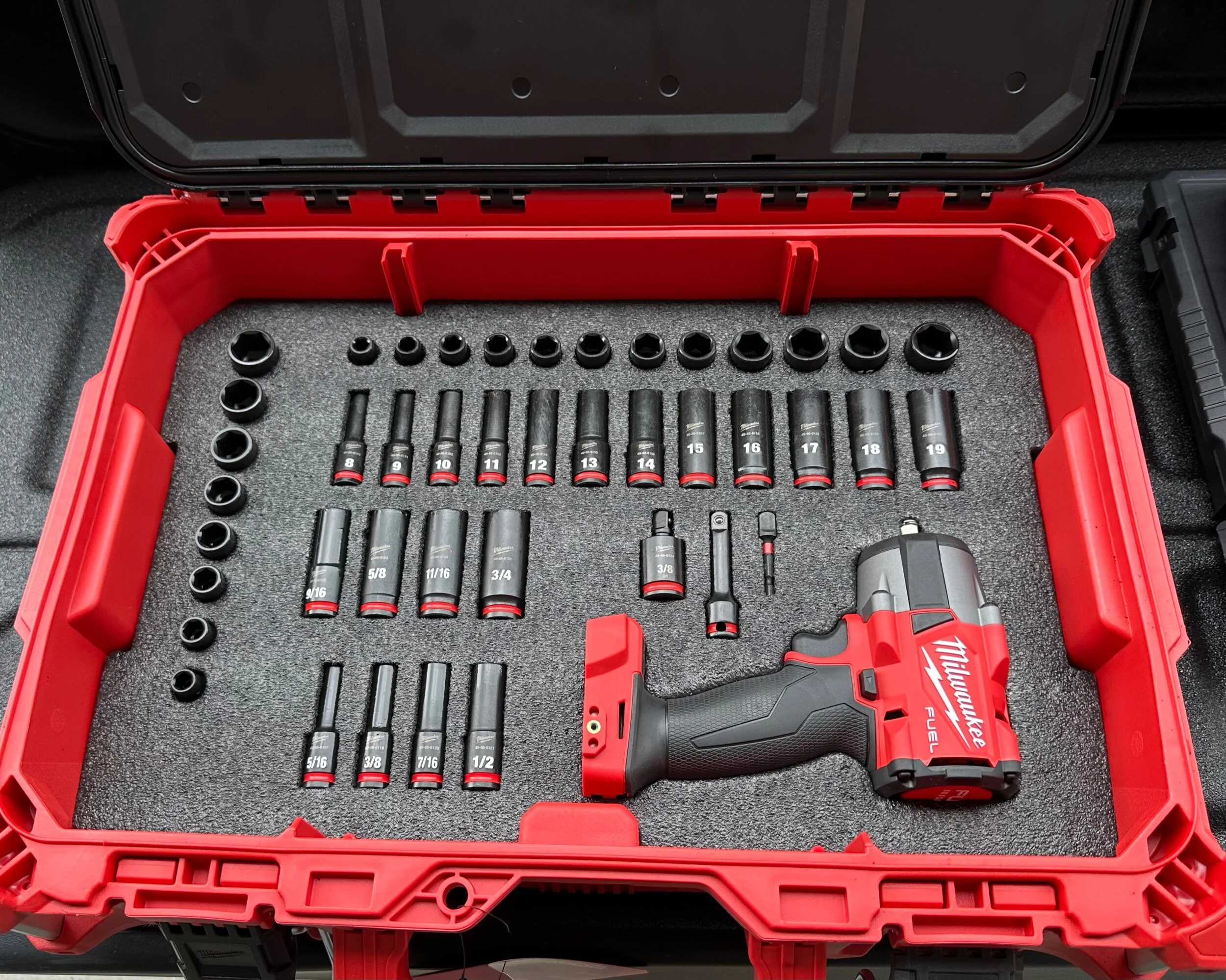
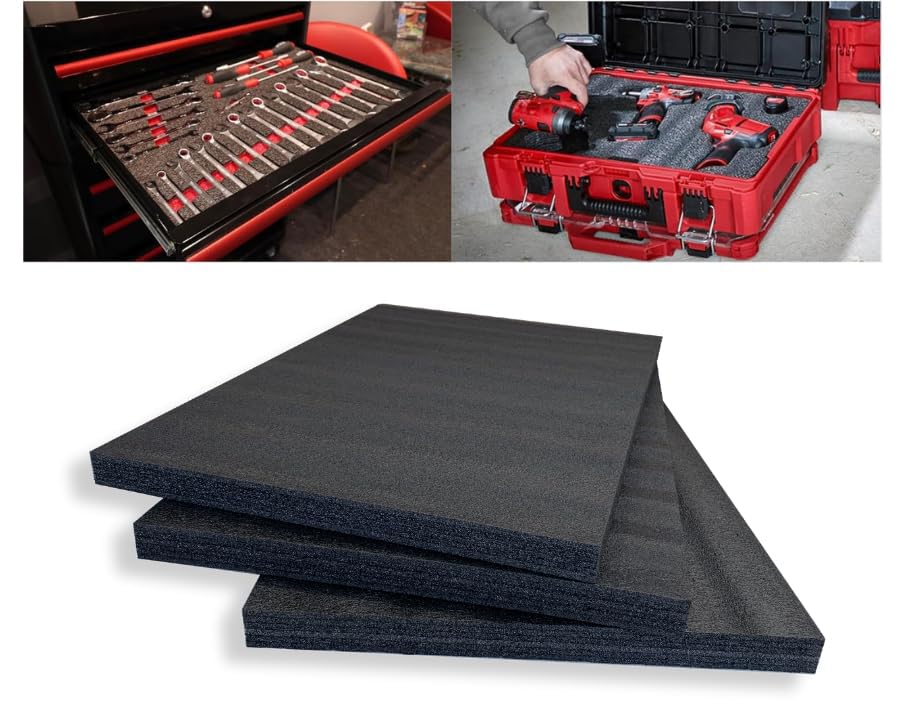
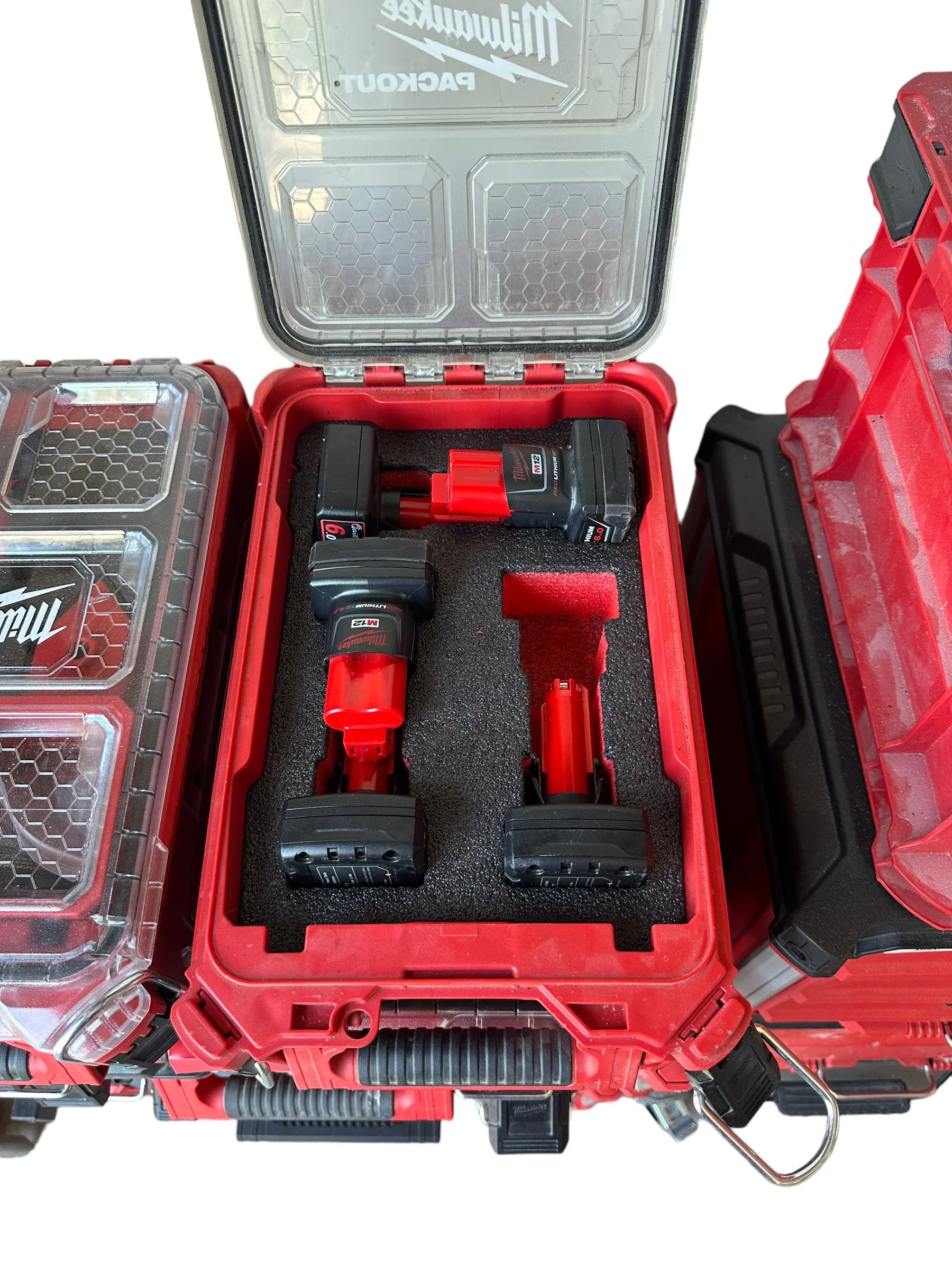
Foam inserts have been widely used in tool storage systems for years.
They are typically made from layered foam that can be cut to fit specific tools.
Advantages of Foam Inserts
Foam inserts provide several benefits:
- Affordable storage solution
- Customizable cutouts for tools
- Lightweight material
- Shock absorption for tools
Because foam is easy to cut, many users create their own layouts using products like Kaizen foam.
Disadvantages of Foam Inserts
While foam can work well initially, it also has several drawbacks.
Foam inserts often:
- Tear after extended use
- Absorb oil and dirt
- Lose their shape over time
- Require frequent replacement
On job sites where tools are used daily, foam can wear out quickly.
3D Printed Packout Inserts


3D printed inserts are designed specifically for tools and accessories, creating a precise fit inside Packout organizers.
These inserts are typically made from durable materials designed for tool storage environments.
Advantages of 3D Printed Inserts
Compared to foam, 3D printed inserts provide several advantages:
- Precise tool fit
- Durable material construction
- Resistant to oils and debris
- Long-lasting organization system
Because inserts are designed specifically for tools, they often include dedicated slots for batteries, bits, and accessories.
This creates a more efficient layout for many Packout setups.
Disadvantages of 3D Printed Inserts
While highly durable, 3D printed inserts may have a few limitations:
- Less flexible than foam cutouts
- Designed for specific tools
However, most professionals prefer this approach because it keeps tools secure and consistently organized.
Foam vs 3D Printed Inserts: Key Differences
| Feature | Foam Inserts | 3D Printed Inserts |
|---|---|---|
| Durability | Moderate | High |
| Oil & Dirt Resistance | Low | High |
| Tool Fit | Custom cut | Precision designed |
| Long-Term Use | Wears down | Long lasting |
| Organization Efficiency | Moderate | Excellent |
For occasional tool storage, foam may work fine. For professionals who rely on their tools daily, precision inserts often provide a better long-term solution.
Which Option Is Better for Packout Organization?
The best option ultimately depends on how you use your tools.
Foam inserts may be a good choice if:
- You want a temporary organization solution
- You frequently change tool layouts
- You prefer a DIY approach
3D printed inserts are often better if:
- You want durable organization
- You want dedicated tool storage
- You need a professional jobsite setup
For contractors, electricians, mechanics, and serious DIY users, a precision insert system usually offers the best long-term organization solution.
Improve Your Milwaukee Packout Organization
An organized Packout system can make a huge difference in jobsite efficiency.
With the right organization strategy, you can:
- Protect expensive tools
- Improve workflow
- Reduce tool clutter
- Maximize storage space
Custom inserts are one of the easiest ways to transform your Packout toolbox into a professional-grade tool management system.